
Underfloor Heating: Is It Worth It? Costs, Types and Installation
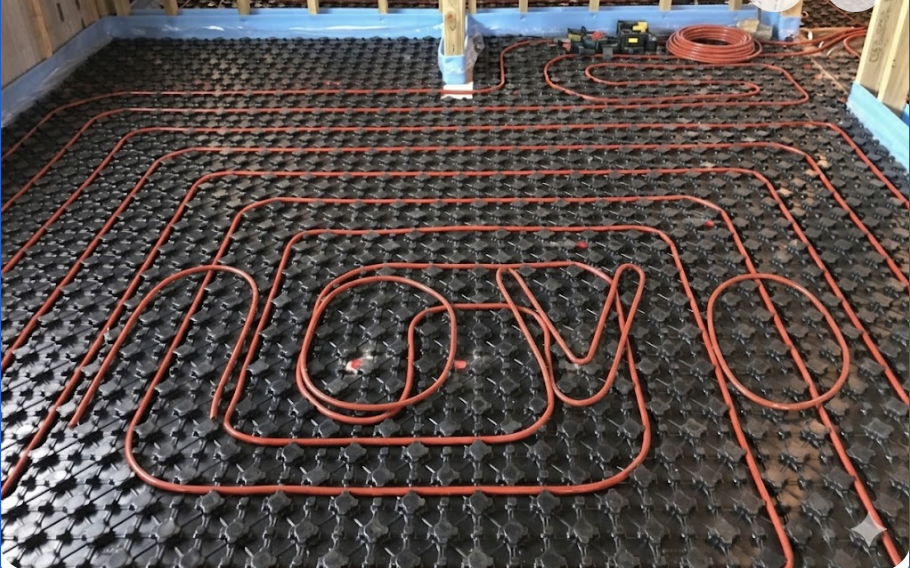
Underfloor heating is one of those things that sounds like a luxury until you actually have it. Then it just feels like a better way to heat a room.
If you are renovating your bathroom, extending your home, or replacing a tired old radiator setup in Surrey or Berkshire, underfloor heating is worth taking seriously. This guide covers how both systems work, what they cost, which one suits which situation, and whether it is worth doing at all.
What Is Underfloor Heating and How Does It Work?
Underfloor heating works exactly as it sounds. Instead of heating a room from a single point on the wall, heat rises evenly across the entire floor surface. The result is a room that feels consistently warm rather than hot near the radiator and cold by the window.
There are two types of underfloor heating systems available to homeowners in the UK:
- Wet underfloor heating (also called hydronic underfloor heating): a network of pipes installed beneath the floor that carry warm water from your boiler around the room.
- Electric underfloor heating: a network of heating cables or mats installed beneath the floor that warm up when the system is switched on.
Both systems work well. Which one is right for your home depends on the size of the space, your existing heating setup, and whether you are in the middle of a renovation or retrofitting into a finished room.
Electric Underfloor Heating: What You Need to Know
Electric underfloor heating is the simpler of the two systems to install. The heating element is either a mat (a pre-fitted grid of cables on a mesh backing) or loose cables that can be laid around awkward shapes and corners.
Electric underfloor heating works particularly well in:
- Bathrooms and en-suites
- Kitchens with tiled or stone floors
- Smaller rooms where you want additional warmth rather than a primary heat source
Because the system sits close to the floor surface, it responds quickly. You can get a bathroom floor warm in 20 to 30 minutes. Most systems are paired with a programmable thermostat so you are only running it when you actually need it.
The trade-off with electric systems is running cost. Electricity currently costs significantly more per kWh than gas, which means electric underfloor heating works best as a supplementary heat source rather than the primary way of heating a large space.
For most bathroom renovations in Surrey and Berkshire, electric underfloor heating is the most practical and cost-effective choice. It adds real comfort and value without major disruption to the floor structure.
Wet Underfloor Heating: What You Need to Know
Wet underfloor heating, or hydronic underfloor heating, circulates warm water through a network of pipes beneath the floor, connected to your existing boiler. Because the heat is distributed across a large surface area, the water only needs to be heated to around 35 to 45 degrees Celsius, compared to 65 to 75 degrees for standard radiators. That means your boiler works more efficiently and your energy bills can be lower over time.
Wet underfloor heating works particularly well for:
- Whole-room or whole-house heating systems
- New build properties where the system can be installed before the floor goes down
- Extensions and full renovation projects where the floor is being lifted anyway
- Larger spaces where the efficiency advantage over electric becomes significant
The main consideration with wet systems is installation. The pipes are larger than electric cables and need to be embedded in either a screed layer or a suspended floor system. This means wet underfloor heating is considerably easier to install in a new build or as part of a major renovation than it is as a retrofit. It also requires a qualified plumber to install. This is not a DIY job.
At Novo, we install both wet and electric underfloor heating as standalone projects and as part of bathroom refit work. George and Joel will advise you on which system makes sense for your specific space and your existing setup before any work starts.
Underfloor Heating Installation: What's Actually Involved?
The installation process differs significantly between the two systems.
Electric underfloor heating installation involves laying the heating mat or cables onto the existing subfloor, covering them with a self-levelling compound or tile adhesive, and connecting the system to a thermostat. In most bathrooms this adds very little height to the floor. Most electric installations in a standard bathroom can be completed in a day.
Wet underfloor heating installation is a more substantial piece of work. The pipes need to be laid in a specific pattern across the floor, connected to a manifold, and then either embedded in a screed layer (which adds 50 to 100mm of floor height) or installed into a low-profile system on top of the existing floor. The whole system then needs to be connected to the boiler and tested. In a bathroom refit, this work is coordinated alongside the other trades rather than being done separately.
In both cases, insulation beneath the heating system is important. Without it, you are heating the structure of the building rather than the room above.
How Much Does Underfloor Heating Cost to Install?
Underfloor heating installation costs vary depending on the type of system, the size of the room, and whether the floor is already being lifted as part of wider renovation work.
As a general guide for homeowners in Surrey and Berkshire:
Electric underfloor heating typically costs between £75 and £150 per square metre installed, including materials and labour. A standard bathroom of around 5 to 8 square metres would usually fall in the range of £400 to £1,200 fitted.
Wet underfloor heating is a more significant investment due to the additional materials and installation complexity. A single-room wet system installed as part of a bathroom renovation would typically start from around £800 and rise depending on the size of the space and what existing pipework or boiler work is needed.
The most cost-effective time to install underfloor heating, particularly a wet system, is always when the floor is already being disturbed as part of a renovation. Adding it to a bathroom refit adds relatively little to the overall project cost compared to doing it as a standalone job later.
If you want a realistic cost for your specific project, our Instant Estimator will give you a price range based on your actual space and requirements.
Underfloor Heating vs Radiators: Which Is Better?
This comes up a lot and the honest answer is that they are good at different things.
Radiators are cheaper to install, faster to retrofit, and heat a room quickly. If you need to replace a single radiator in an otherwise finished room, a radiator is almost always the more practical choice.
Underfloor heating heats a room more evenly, uses lower water temperatures (meaning better boiler efficiency), frees up wall space, and simply feels better to live with. A tiled bathroom floor with underfloor heating will retain warmth even when the system is off. A radiator's heat dissipates the moment a window opens.
For bathrooms specifically, underfloor heating wins on comfort every time. There is no cold tile shock in the morning. There is no bulky radiator eating into towel rail space. And for a room you are already spending £5,000 to £15,000 renovating, adding underfloor heating is one of the best value additions you can make.
Does Underfloor Heating Add Value to Your Home?
Yes, consistently. Underfloor heating is one of the features that home buyers in Surrey and Berkshire actively look for, particularly in bathrooms and kitchen extensions. Estate agents regularly cite it as a value-adding feature, and the combination of a quality bathroom refit with underfloor heating can meaningfully increase the appeal and saleability of a property.
It also tends to be one of those features that, once you have lived with it, you would not willingly give up.
Is Underfloor Heating Right for Your Home?
The best time to install underfloor heating is when you are already having work done on the floor. That means bathroom renovations, kitchen refits, extensions, and new builds are all ideal moments to factor it in.
If you are considering a bathroom refit in Surrey or Berkshire and want to know whether underfloor heating makes sense for your specific space, George and Joel can walk you through the options as part of the initial consultation. There is no obligation and no cost for that conversation.
Start by getting a rough price range using our Instant Estimator. It takes about 60 seconds and gives you a realistic guide to what your project might cost before you commit to anything.
Underfloor Heating FAQs
Can underfloor heating be installed in any room?
Both electric and wet underfloor heating can be installed in most rooms. Electric systems are particularly well-suited to bathrooms, kitchens, and hallways with hard floor surfaces. Wet systems work well across larger spaces and whole-house installations. The main restriction is floor type: thick carpets (over 1.5 tog) are not suitable for underfloor heating.
How long does underfloor heating take to install?
An electric underfloor heating system in a standard bathroom can usually be installed within a day as part of a wider bathroom refit. A wet system takes longer depending on the size of the space and whether screeding is required.
Can underfloor heating work with any boiler?
Wet underfloor heating works with most modern gas boilers. It works particularly well with condensing boilers and heat pumps because of the lower flow temperatures required. If your boiler is older, George and Joel will flag this during the consultation.
Do you install underfloor heating as a standalone job?
Yes. We install both wet and electric underfloor heating as standalone projects, not just as part of bathroom refits. Get a price estimate at www.novoplumbing.com/estimate.
Is underfloor heating expensive to run?
Electric underfloor heating costs more per kWh to run than gas-powered wet systems. However, for a bathroom used a few hours a day with a programmable thermostat, the running cost is typically very low. Wet systems connected to a modern condensing boiler are more efficient than radiators for whole-room heating due to the lower water temperature required.
Novo Plumbing Ltd installs electric and wet underfloor heating systems across Surrey, Berkshire, and South West London. All underfloor heating work comes with our 12-month Novo Guarantee. Get a price estimate at www.novoplumbing.com/estimate.